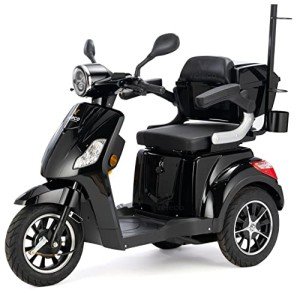
Mobility Scooters: A Comprehensive Guide
Mobility scooters have actually ended up being a necessary mode of transport for lots of people facing mobility challenges. This short article explores the numerous aspects of mobility scooters, including their types, benefits, features, and a guide for potential purchasers.
Comprehending Mobility Scooters
Mobility scooters are electrically powered devices designed for people with restricted mobility. They supply a means of transport for people who may have problem strolling but still wish to maintain their self-reliance. They are available in various styles and functions to accommodate a wide variety of needs.
Types of Mobility Scooters
Mobility scooters can normally be categorized into 3 main types:
| Type | Description | Best For |
|---|---|---|
| Compact Scooters | These are small and lightweight, ideal for inside and short trips. | Users with minimal storage area or those who travel often. |
| Mid-size Scooters | A balance in between mobility and stability, suitable for both indoor and outside usage. | Those who require to cover a range of surfaces. |
| Sturdy Scooters | Large and robust, designed for rugged outside usage and much heavier people. | Users needing additional weight capability or going off-road. |
Key Features of Mobility Scooters
The choice of mobility scooter typically depends upon the functions that align with individual requirements. Here are some of the essential functions to consider:
- Weight Capacity: Mobility scooters come with different weight limits. It is vital to pick a scooter that can adequately support the user's weight.
- Range: The distance a scooter can travel on a single charge varies. Depending upon user requirements, one might go with scooters with a series of as much as 40 miles.
- Speed: Most mobility scooters can reach speeds between 4 to 8 miles per hour. Consider what speed is comfortable and safe for the desired environment.
- Turning Radius: A compact turning radius is important for indoor usage, enabling for simpler navigation in tight areas.
- Battery Type: The kind of batteries utilized can impact the scooter's performance. Lead-acid and lithium-ion batteries are the most common.
Benefits of Using Mobility Scooters
The advantages of mobility scooters extend beyond simply transport. Some key benefits include:
- Independence: Users can browse their environment without depending on caregivers, promoting self-reliance and self-confidence.
- Health Benefits: Using a scooter can encourage outdoor activity, causing physical and psychological health enhancements by decreasing sensations of seclusion.
- Convenience: Scooters can easily be operated in different environments, whether indoors, in shopping center, or outdoors.
Essential Considerations When Buying a Mobility Scooter
When purchasing a mobility scooter, numerous considerations can help ensure that you pick the best design:
Assess Individual Needs:
- Mobility level: Consider just how much help the person will need.
- Series of use: Determine where the scooter will primarily be used (inside, outdoors, on rough surfaces, etc).
Test Drive:
- Always test drive several designs to find an appropriate fit. Focus on convenience, ease of steering, and the scooter's responsiveness.
Review Safety Features:
- Look for scooters with sufficient security functions like lights, indications, and anti-tip designs.
Inspect Warranty and Service Options:
- A dependable warranty and readily available service options are important for long-lasting usage.
FAQs about Mobility Scooters
1. How quickly do mobility scooters go? mobility scooter dealers have speeds ranging from 4 to 8 mph, with the majority of developed for security rather than high-speed travel. 2. Exist weight limitations on mobility scooters?Yes, mobility
scooters include specific weight limitations, often ranging from
250 pounds to over 500 pounds, depending on the design. 3. Can mobility scooters be used indoors?Certain models, particularly compact scooters, are particularly developed for
indoor usage and are simpler to maneuver in tight spaces. 4. How often do the batteries require to be replaced?Battery life can differ based upon use, but typically, with correct care, batteries may last between 1 to 3 years before requiring replacement
. 5. Are mobility scooters covered by insurance?Coverage can differ, however some insurance strategies, consisting of Medicare and Medicaid, may cover part of the cost. It's suggested to talk to individual insurance service providers. Mobility scooters serve as a
valuable tool for numerous people, enabling them to preserve
their flexibility and self-reliance. By understanding the various types and features of mobility scooters, people can make educated choices tailored to their specific requirements.
Whether used for errands, mingling, or leisurely activities, mobility scooters can boost the lifestyle for those with mobility constraints. Investing in a mobility scooter is a choice that can substantially affect a person's daily life. Therefore, people need to carefully evaluate their options and pick a model that best lines up with their lifestyle and mobility requirements
.